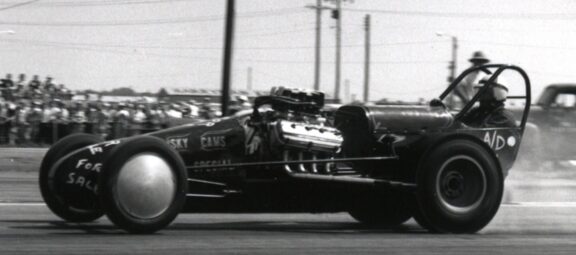
The 1950s: How NHRA Turned Hot Rodding into a National Sport
The 1950s were the decade that changed everything.
What began as scattered groups of racers running on dry lake beds and deserted roads quickly transformed into a nationally organized motorsport. The founding of the National Hot Rod Association in 1951 set a new standard for how speed, competition and safety could coexist – and the rest of the decade became a proving ground for the future of drag racing.
This was the era when hot rodding stopped being an underground movement and became a legitimate sport.
1951: The Beginning of NHRA
When Wally Parks founded the National Hot Rod Association in 1951, his goal was simple but revolutionary: organize hot rodding and take racing off public streets.
NHRA created a national structure for racers and clubs across the country. For the first time, hot rodders had a governing body dedicated to promoting organized competition and improving safety while preserving the spirit of speed that defined the culture.
What had once been informal competition now had direction.
1952-1953: Building a Community
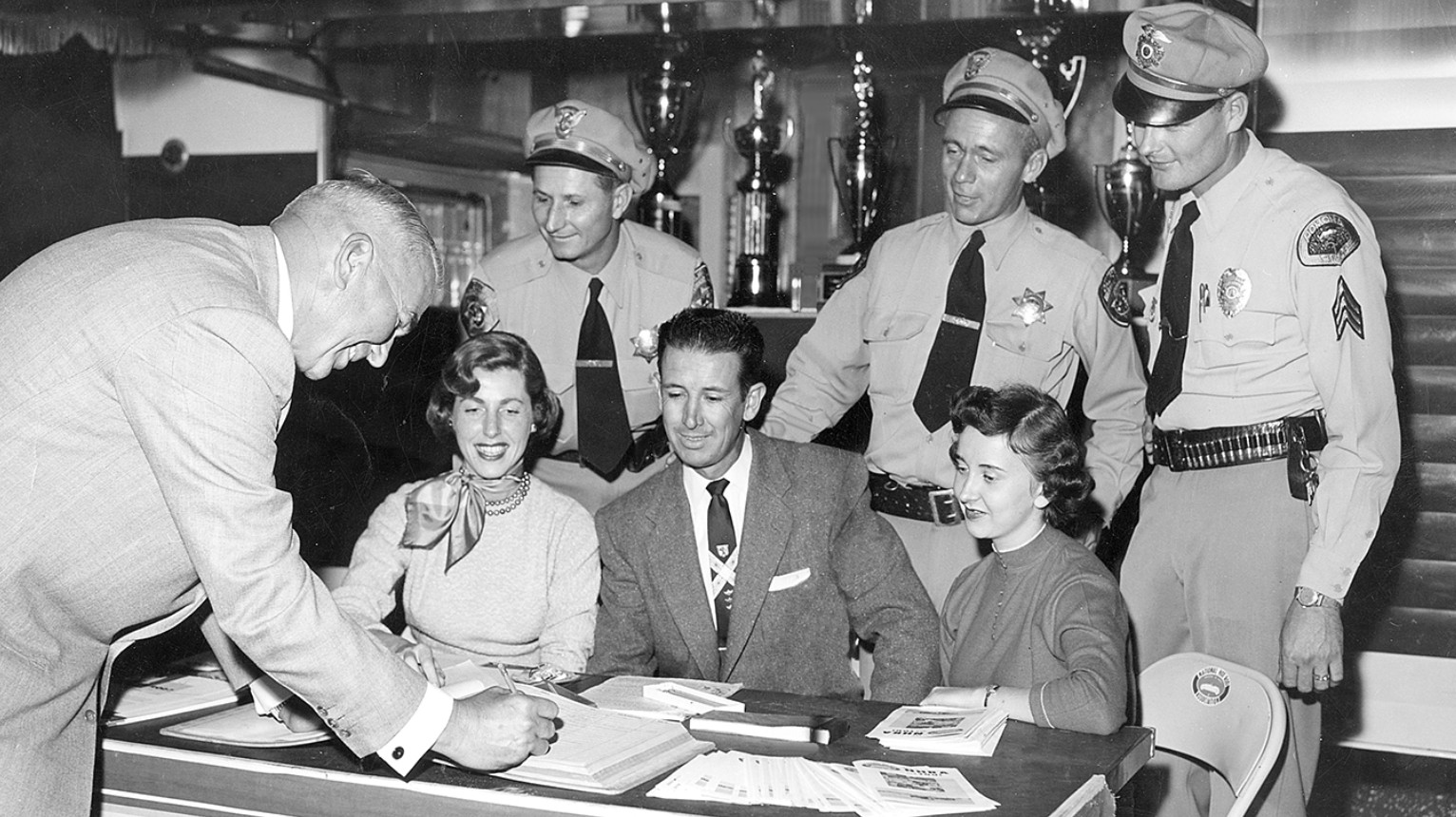
In the early years, NHRA focused on bringing together hot rod clubs and enthusiasts under one banner. The organization created programs designed to support racers and encourage responsible competition.
Through national membership growth and outreach, NHRA began building a community that connected racers from coast to coast. Publications, club involvement and organized activities helped spread the philosophy that racing belonged at sanctioned venues, not on city streets.
The foundation for organized drag racing was beginning to take shape.
1954: The First Drag Strip Opens
One of the most important milestones of the decade arrived in 1954 with the opening of the Santa Ana Drag Strip in Southern California – widely recognized as the first commercial drag strip.
For the first time, racers had a permanent facility designed specifically for straight-line competition. Santa Ana became the template for tracks across the country and proved that organized drag racing could thrive in a controlled environment.
The sport had found its home.
1955: The First NHRA Nationals
The next major step came in 1955 when NHRA hosted the first NHRA Nationals in Great Bend, Kansas.
The event brought racers from across the country together to compete for national recognition and cemented drag racing as a legitimate motorsport. It introduced a national championship atmosphere and set the stage for what would eventually become the NHRA U.S. Nationals – today known as the sport’s most prestigious race.
The idea of a national drag racing championship was no longer a dream. It was reality.
1956-1959: Growth Across America
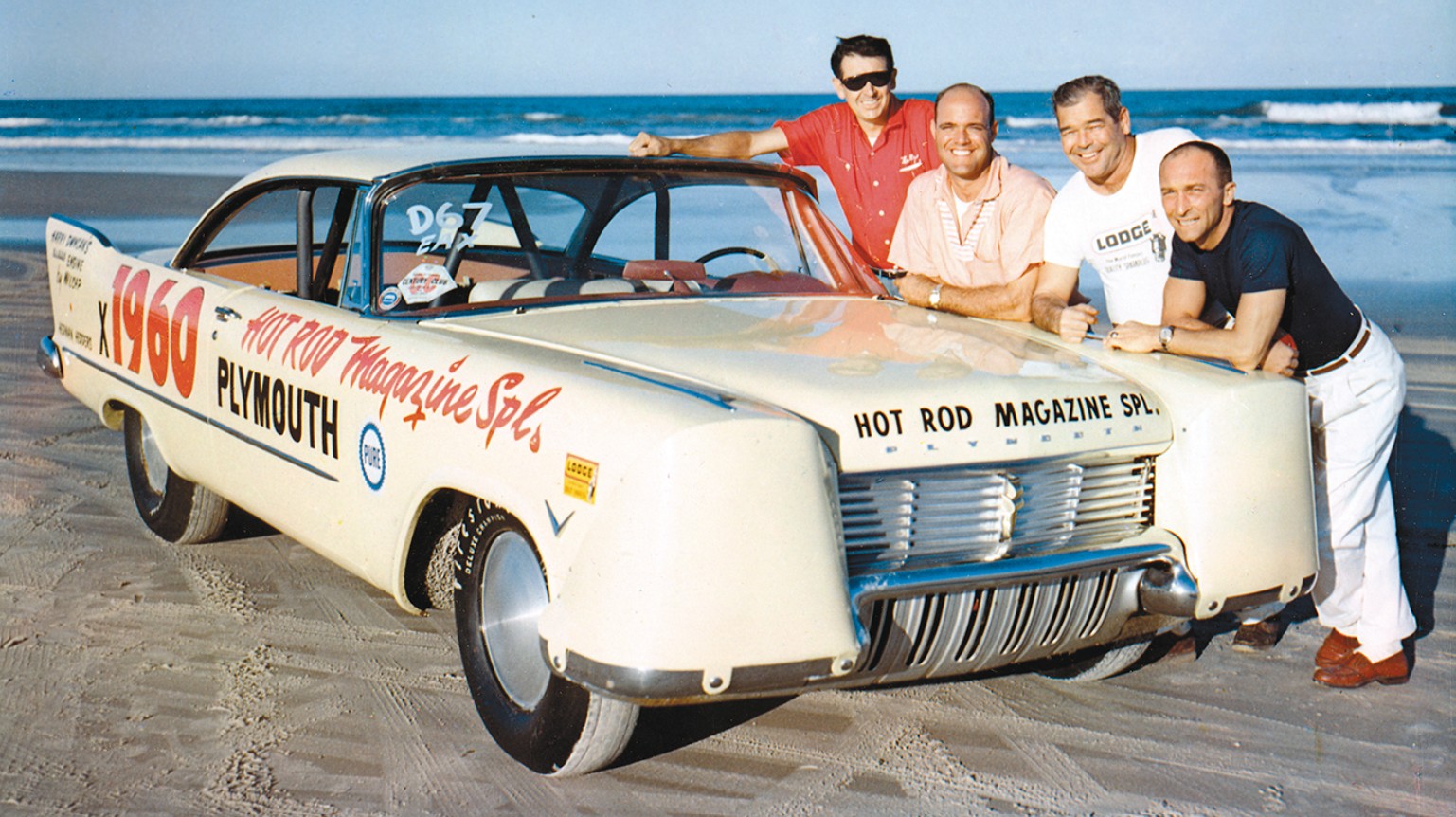
The second half of the decade saw explosive growth.
More drag strips opened across the United States. Participation surged as racers embraced organized competition. NHRA continued expanding its rulebook, improving safety standards and building the infrastructure that would guide the sport for decades.
By the end of the 1950s, drag racing had evolved into a national phenomenon. What began as a grassroots movement just a few years earlier was now supported by organized events, dedicated facilities and an ever-growing community of racers and fans.
The groundwork for professional drag racing had officially been laid.
The Legacy of the 1950s
The 1950s weren’t about massive horsepower numbers or record-breaking speeds – those would come later.
Instead, this decade gave drag racing something even more important: structure, legitimacy and a future.
NHRA transformed hot rodding into a sport that could grow safely while preserving the innovation and passion that defined its earliest days.
And that foundation made everything that followed possible.
In the next installment of our NHRA 75th anniversary series, we’ll dive into the 1960s – the decade when factory horsepower wars, Funny Cars and the rise of professional drag racing pushed the sport into an entirely new era of performance.
Photo credit: National Hot Rod Association
0 Comments